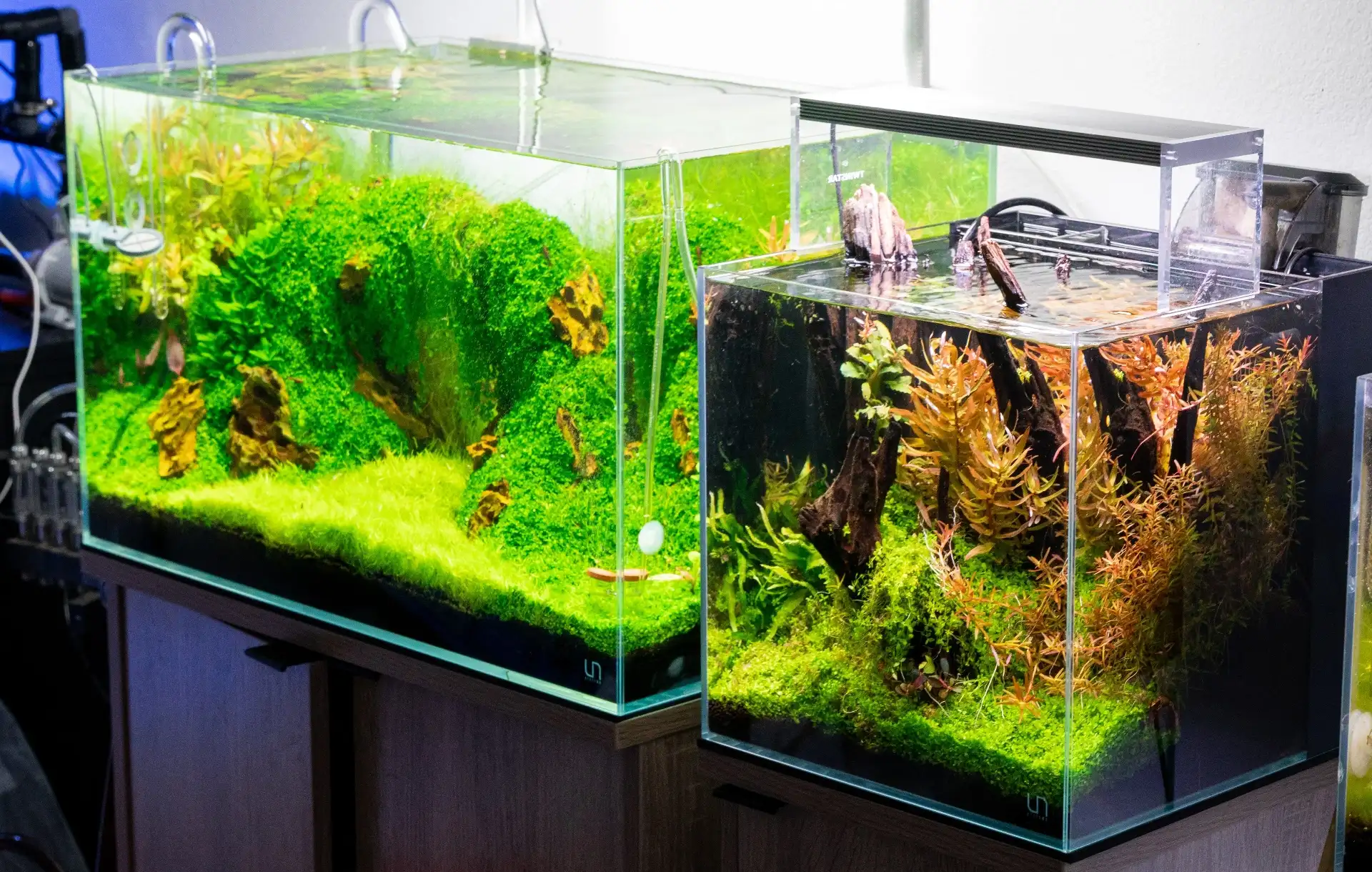
Welcome to the wonderfully serene world of underwater gardening! If you’ve ever gazed at a beautifully planted aquarium, alive with vibrant greens and peaceful fish, and thought, “I wish I could create something like that,” then you’re in exactly the right place. Many people are drawn to the idea of aquascaping – the art of arranging aquatic plants, rocks, stones, and driftwood in an aquarium – but quickly become intimidated by talk of complex equipment, demanding routines, and a hefty price tag.
Here at AquaInitium, we believe that crafting a breathtaking aquatic paradise doesn’t have to be a source of stress or a drain on your wallet. This ultimate guide is designed for you, the absolute beginner, to navigate the journey of creating your very own stunning low-tech aquascape, completely without the need for CO2 injection and with a focus on simplicity and enjoyment.
We’re going to show you how to cultivate a thriving underwater ecosystem that brings tranquility and a touch of nature’s magic into your home, proving that impressive results are achievable with a more natural, laid-back approach. Some studies even suggest that observing aquariums can have a calming effect and reduce stress, making this hobby not just beautiful but beneficial too.
What Exactly IS Low-Tech Aquascaping? Unveiling the Simple Beauty
Before we dive deeper, let’s clarify what we mean by “low-tech aquascaping.” In the aquascaping hobby, setups are often broadly categorized into “high-tech” and “low-tech.” High-tech planted aquariums typically involve pressurized carbon dioxide (CO2) injection systems, powerful lighting rigs, and a regimented schedule of nutrient dosing to promote rapid, lush plant growth, often aiming for specific, very demanding plant species or competition-style layouts. While these tanks can be undeniably stunning, they also demand significant investment in equipment, meticulous maintenance, and a deeper understanding of complex water chemistry. They can be quite a handful, especially if you’re just starting out.
Low-tech aquascaping, on the other hand, embraces a more natural, balanced, and less intensive approach. The cornerstone of a low-tech setup is the absence of injected CO2. Instead, plants rely on the small amounts of CO2 naturally produced by fish respiration (if you choose to add them later), organic matter decomposition, and gas exchange at the water’s surface.
This means we select plants that are adapted to thrive in these lower CO2 conditions. Consequently, lighting requirements are also more moderate, and fertilization, if needed at all, is far simpler, often relying on a nutrient-rich substrate or occasional, minimal dosing. The goal is to create a more self-sustaining ecosystem where plants grow at a slower, more manageable pace, and the overall system is more stable and forgiving for beginners.
It’s about working with nature, rather than trying to supercharge it. This method emphasizes patience and observation, allowing you to enjoy the gradual, beautiful unfolding of your underwater world.
Why Choose a Low-Tech Aquascape? The Stress-Free Benefits
Opting for a low-tech aquascape as a beginner offers a multitude of advantages that make the hobby more accessible, enjoyable, and sustainable in the long run. Perhaps the most significant benefit is the dramatically reduced initial setup cost. High-tech CO2 systems, powerful lights, and specialized dosing equipment can add up quickly. By going low-tech, you sidestep these major expenses, making the entry point into aquascaping much more budget-friendly. This allows you to focus your resources on quality basic equipment and a nice selection of suitable plants.
Beyond the financial aspect, low-tech tanks are considerably less demanding in terms of maintenance. Without the accelerated growth spurred by CO2 injection and intense lighting, plants grow slower, meaning less frequent trimming. The overall ecosystem tends to be more stable, with fewer risks of sudden algae outbreaks or nutrient imbalances that can plague high-tech systems if not managed perfectly.
This translates to less time spent troubleshooting and more time simply enjoying the serene beauty of your creation. For many, this “less work, more reward” balance is precisely what makes low-tech aquascaping so appealing and stress-free. It allows the hobby to be a relaxing escape rather than another demanding chore. Furthermore, the slower pace encourages a deeper appreciation for the natural processes at play within your aquarium, fostering a greater connection with the miniature ecosystem you’ve cultivated.
Gathering Your Gear: Essential Equipment for Low-Tech Success
Embarking on your low-tech aquascaping journey doesn’t require an overwhelming list of complicated gadgets. The beauty of this approach lies in its simplicity, and that extends to the equipment. Here’s a rundown of the essential gear you’ll need to get started, with a focus on beginner-friendly and budget-conscious choices that will set you up for success without the stress.
First and foremost is the aquarium itself. For beginners, a tank ranging from 10 to 20 gallons (around 40 to 75 liters) is often recommended. These sizes are manageable, offer enough space for a pleasing scape, and water parameters tend to be more stable than in very small nano tanks. Glass tanks are common and affordable. Consider a standard rectangular shape, as it provides good viewing and is easy to work with. Ensure it comes with a lid or consider getting one, especially if you plan to keep fish that might jump, and to reduce evaporation.
Next up is filtration. Even in a low-tech setup, a good filter is crucial for maintaining water quality by removing debris and providing a home for beneficial bacteria that break down waste. For beginner low-tech tanks, Hang-On-Back (HOB) filters are a popular and effective choice due to their ease of use and maintenance. Internal filters or simple sponge filters (driven by an air pump) are also excellent, budget-friendly options, especially for smaller tanks. The key is to choose a filter rated for your tank size that provides gentle to moderate flow, as high flow isn’t typically necessary or desired in low-tech planted setups.
Lighting is perhaps the most critical piece of equipment for a planted tank. However, for a low-tech, no-CO2 setup, you don’t need the super-bright, expensive lights required for high-tech tanks. You’ll be looking for a light that provides low to moderate intensity. LED aquarium lights are now the standard, offering good energy efficiency, longevity, and often adjustable brightness or color spectrums.
Look for lights specifically designed for planted aquariums, often with a Kelvin rating between 6500K and 7500K, which mimics natural daylight. The duration of lighting is also important, typically 6-8 hours per day is sufficient for many low-tech plants. Using a simple plug-in timer can automate this for consistency.
The substrate forms the foundation of your aquascape and is vital for plant health. In a low-tech tank, you have several good options. Inert substrates like sand or fine gravel are affordable but don’t provide nutrients themselves. If you choose an inert substrate, you might consider adding root tabs later for root-feeding plants. Alternatively, nutrient-rich substrates, often called “aquasoils,” are specifically designed for planted tanks and contain nutrients that plants can absorb through their roots. While slightly more expensive, they can give your plants a great start.
Some hobbyists also create DIY layered substrates with a base of organic soil capped with sand or gravel, a method popularized by Diana Walstad. For absolute beginners, a quality commercial aquasoil or an inert substrate paired with root tabs for specific plants can be a straightforward approach.
A heater may or may not be necessary depending on the ambient temperature of your room and the types of plants and fish (if any, eventually) you plan to keep. Most tropical aquatic plants and fish thrive in temperatures between 72-78°F (22-26°C). If your room temperature consistently stays within this range, you might not need a heater. However, if your room gets cooler, an appropriately sized aquarium heater with a thermostat is a worthwhile investment to maintain stable water temperature.
Finally, a few basic tools will make your aquascaping life much easier. A pair of long tweezers or planting tongs is invaluable for placing plants precisely. Aquarium scissors, especially those with curved tips, are great for pruning. A gravel vacuum or siphon is essential for water changes and cleaning the substrate. And, of course, a bucket dedicated solely to aquarium use is a must-have. These tools don’t need to be expensive; functional, basic versions will serve you well.
The Heart of Your Scape: Choosing the Right Plants (No CO2 Needed!)
The vibrant, living heart of any aquascape is its plants. For a low-tech setup without CO2 injection, selecting the right plant species is absolutely paramount to your success and enjoyment. You’ll want to focus on hardy, undemanding plants that are known to thrive in lower light conditions and without supplemental CO2. Fortunately, there’s a wonderful variety of beautiful plants that fit this description perfectly, allowing you to create lush, diverse underwater landscapes.
When choosing plants, it’s helpful to think in terms of where they will be placed in your aquascape: foreground, midground, and background. Foreground plants are typically shorter, carpeting, or clumping species that create interest at the front of the tank. While many classic carpeting plants are CO2-demanding, some options for low-tech include Marsilea hirsuta, Marsilea crenata, or even carefully managed Sagittaria subulata (Dwarf Sagittaria) which can form a dense lawn over time.
Your previous research on growing Micranthemum ‘Monte Carlo’ without CO2 also fits here; it can be achieved with patience and attention to other parameters.
Midground plants are of medium height and are used to add depth and texture, often placed around hardscape elements like rocks and driftwood. Excellent low-tech choices for the midground include many species of Anubias (like Anubias barteri var. nana), which are incredibly hardy and can be attached to rocks or wood. Java Fern (Microsorum pteropus) and its many varieties (Narrow Leaf, Windeløv) are similarly robust and versatile, also preferring to be attached to decor rather than planted in the substrate.
Various Cryptocoryne species (often called “Crypts,” like Cryptocoryne wendtii or Cryptocoryne parva) are wonderful, offering a range of colors and leaf textures, and they do well with root fertilization in a low-tech environment.
For the background, you’ll want taller plants that create a lush backdrop and can hide equipment. Vallisneria species (like Jungle Val or Corkscrew Val) are classic choices, sending up long, ribbon-like leaves. Some varieties of Amazon Sword (Echinodorus species) can also work in low-tech setups, especially smaller cultivars, though they are heavy root feeders.
Taller stem plants like Bacopa caroliniana or Hygrophila polysperma (if legal in your area, as it can be invasive) can also provide good background coverage, though stem plants in low-tech setups might require occasional pruning to maintain their shape.
Don’t forget mosses and floating plants! Java Moss (Taxiphyllum barbieri), Christmas Moss (Vesicularia montagnei), and Flame Moss (Taxiphyllum ‘Flame’) are incredibly easy to grow and can be attached to hardscape or left to form natural-looking clumps. Floating plants like Amazon Frogbit (Limnobium laevigatum), Red Root Floaters (Phyllanthus fluitans), or even Duckweed (though it can be very prolific) can provide shade, absorb excess nutrients, and create a more natural feel, with their roots dangling into the water.
They are particularly beneficial in low-tech tanks. When sourcing your plants, aim for healthy specimens from reputable aquarium stores or online vendors. Consider researching each plant’s specific (but still low) light needs to help with placement. You can find excellent plant databases online that detail care requirements [Link to a reputable aquatic plant database like Tropica or Flowgrow].
Bringing it All Together: Setting Up Your First Low-Tech Tank (Step-by-Step)
With your equipment gathered and plant choices in mind, it’s time for the most exciting part: setting up your AquaInitium! This process is where your vision begins to take physical form. Taking your time here and following a logical sequence will ensure a smooth start and a healthy foundation for your underwater garden.
First, prepare your aquarium and equipment. Rinse the tank thoroughly with plain water (no soap!) to remove any dust or residues. If you’re using an HOB filter, assemble it according to the manufacturer’s instructions and rinse the filter media (sponges, ceramic rings, etc.) in some dechlorinated tap water or old tank water (if you have it) to preserve any beneficial bacteria if it’s pre-seeded, though for a new setup, rinsing in clean water is fine. Position your filter and heater (if using, but don’t plug it in yet) in the tank.
Next, it’s time to add your substrate. If you’re using aquasoil or a soil-based layer, add it first. If you’re creating a soil layer capped with sand or gravel, add the soil (typically about an inch or 2.5 cm thick, sloped slightly higher towards the back for perspective), then carefully cap it with at least another inch or two of sand or gravel to prevent the soil from clouding the water. If using only sand or gravel, rinse it thoroughly before adding it to the tank to your desired depth, again, sloping it gently from back to front can create a nice sense of depth.
Now for the hardscape – your rocks and driftwood. Rinse these well too. Boil driftwood if possible to help it sink and release some tannins (which can tint your water tea-colored, though some people like this natural look). Arrange your hardscape elements according to your pre-planned design. This is where your aquascape really starts to take shape. Think about creating focal points, caves, or interesting structures for plants to grow around. Ensure any heavy rocks are stable and won’t shift and damage the glass.
Once the hardscape is in place, you can begin planting. It’s often easier to plant before filling the tank completely, or with just a little water covering the substrate. For stem plants, make a small hole in the substrate with your finger or tweezers and gently insert the stem. For plants like Anubias or Java Fern that grow from a rhizome, do not bury the rhizome (the thick, root-like stem); instead, attach them to your rocks or driftwood using cotton thread, fishing line, or aquarium-safe superglue (cyanoacrylate). Mosses can also be attached this way or tucked into crevices. Root-feeding plants like Cryptocorynes should have their roots gently buried in the substrate. Take your time with planting; good placement now will lead to a more beautiful scape later.
After planting, it’s time to fill the aquarium with water. To avoid disturbing your carefully placed substrate and plants, place a small plate or a plastic bag on the substrate and pour the water gently onto that. Use dechlorinated tap water (treat it with a water conditioner to remove chlorine and chloramine). Fill the tank slowly. Once filled, you can turn on your filter and heater (if used).
The final, crucial step before adding any fish or invertebrates is cycling your aquarium. This is the process of establishing a colony of beneficial bacteria that will convert harmful ammonia (from waste) into less harmful nitrates. A fishless cycle is highly recommended and involves adding a source of ammonia (like pure liquid ammonia or a small piece of fish food) to the tank and testing the water regularly for ammonia, nitrite, and finally nitrate, until ammonia and nitrite consistently read zero and nitrate is present.
This process can take several weeks but is essential for a healthy aquarium. There are many excellent guides online explaining this in detail . Patience here is key to long-term success.
Keeping it Beautiful: Simple Maintenance & Care
Once your low-tech aquascape is set up and cycled, the journey shifts to maintaining its beauty and health. The good news is that maintenance for a well-balanced low-tech system is generally far less demanding than for its high-tech counterpart. Consistency with a few simple tasks is the key to a thriving, algae-resistant, and stunning underwater garden.
Regular partial water changes are a cornerstone of low-tech tank maintenance. Typically, a 10-25% water change once a week or once every two weeks is sufficient for most established low-tech tanks. This helps to replenish trace elements, remove accumulated nitrates (which, while less harmful than ammonia or nitrite, can still cause issues in very high concentrations), and generally keep the water fresh.
Always use dechlorinated water that is at a similar temperature to your tank water to avoid stressing your plants or any future inhabitants. When siphoning out water, you can use a gravel vacuum to gently clean the surface of the substrate, removing any visible debris or fish waste.
Plant care in a low-tech setup primarily involves occasional pruning or trimming. Since plants grow slower without CO2, you won’t be constantly battling overgrowth. Trim any dead or yellowing leaves to keep plants looking their best and to prevent them from decaying in the tank. Stem plants might eventually need to be topped and replanted to maintain a bushy appearance or to control their height. For mosses, a gentle trim can help maintain their shape and encourage denser growth.
Algae management is a common concern for all aquarists. In a low-tech tank, the best defense against algae is a good offense: a well-planted tank (dense planting outcompetes algae for nutrients), appropriate lighting duration (6-8 hours), not overfeeding (if you have fish), and consistent water changes. If you do encounter some algae, try to identify the type and address the underlying cause (e.g., too much light, excess nutrients).
Manual removal during water changes is often effective. Introducing algae-eating inhabitants like Amano shrimp or certain snails (like Nerite snails) can also be a great natural way to keep minor algae in check once your tank is mature. Avoid relying on chemical algaecides, as these can harm sensitive plants and invertebrates and don’t address the root cause of the algae.
Fertilization in a low-tech tank is often minimal or even unnecessary if you’re using a nutrient-rich substrate and have a reasonable bioload (fish waste naturally provides some nutrients). If you notice signs of nutrient deficiencies in your plants (like yellowing leaves or stunted growth) despite good lighting and substrate, you might consider adding root tabs for heavy root feeders like Cryptocorynes or Amazon Swords, or a very conservative dose of a comprehensive liquid fertilizer designed for low-tech tanks, perhaps once a week or even less frequently.
Always start with less than the recommended dose and observe how your plants respond. Over-fertilizing can easily lead to algae issues.
Finally, observation is one of your most powerful maintenance tools. Spend a few minutes each day simply looking at your tank. Notice how your plants are growing, how clear the water is, and the behavior of any inhabitants. This will help you catch any potential issues early on before they become major problems. This gentle, observant approach is part of the joy and stress-free nature of low-tech aquascaping.
Patience and Enjoying the Journey: The Low-Tech Aquascaper’s Mindset
One of the most important, yet often overlooked, aspects of succeeding with low-tech aquascaping is cultivating the right mindset: one of patience and appreciation for the journey. In our fast-paced world, we often seek instant gratification, but nature, especially in a closed aquatic ecosystem, operates on its own timeline. Low-tech tanks, by their very definition, are about slower, more gradual growth and development. Your plants won’t explode with growth overnight, and your scape will mature and evolve subtly over weeks and months. This is not a drawback; it’s a feature.
Embrace this slower pace. It allows you to truly observe the intricate details of plant growth, the way light plays through the water, and the subtle shifts in your underwater landscape. There’s a deep satisfaction in watching a tiny Anubias sprout a new leaf or seeing a patch of moss gradually colonize a piece of driftwood. This patient observation also makes you a better aquascaper, as you’ll become more attuned to the needs of your specific tank and its inhabitants. You’ll learn to read the signs your plants give you and make adjustments accordingly.
Don’t get discouraged if things aren’t “perfect” immediately. Aquascaping is a continuous learning process. There will be moments of trial and error, perhaps a minor algae bloom to contend with or a plant that doesn’t quite thrive in a particular spot. These are not failures; they are learning opportunities.
The online aquascaping community is vast and supportive, with many forums and groups where you can share your experiences and seek advice [Link to a popular, friendly aquascaping forum or Reddit community like r/PlantedTank]. Remember that every stunning aquascape you admire online started somewhere, often with a beginner facing the same questions and challenges you are. The key is persistence, a willingness to learn, and enjoying the creative process itself. Your AquaInitium is not just about the end result, but the fulfilling journey of creating and nurturing a living piece of art.
Your Beautiful Underwater World Awaits!
You’ve now journeyed through the essentials of creating a stunning, stress-free, low-tech aquascape. From understanding the core principles and selecting the right gear and plants, to setting up your tank and learning the simple art of maintenance, you’re equipped with the foundational knowledge to begin your AquaInitium – your very own “water beginning.”
Remember that the heart of low-tech aquascaping lies in simplicity, patience, and working in harmony with nature. It’s a deeply rewarding hobby that allows you to bring a slice of an underwater paradise into your home, offering endless opportunities for creativity and a peaceful escape.
Don’t aim for instant perfection; aim for a healthy, balanced ecosystem where your chosen plants can thrive at their own pace. Embrace the learning process, celebrate the small successes, and most importantly, enjoy the serene beauty you cultivate. We at AquaInitium are thrilled to be a part of your journey. Dive in, get your hands wet (literally!), and create something truly special. Your beautiful, low-tech, no-stress aquascape is waiting to be brought to life!






3 thoughts on “The Ultimate Beginner’s Guide to Low-Tech Aquascaping (No CO2, No Stress!)”